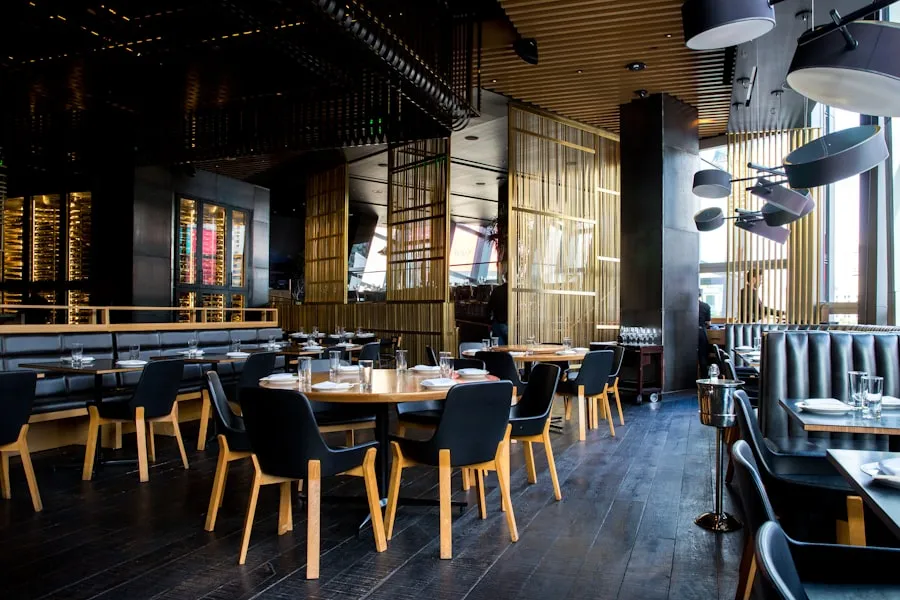
A client dinner is the booking guests are least likely to mention and most likely to repeat. The reasons are practical. A table of eight from three offices goes better with someone at it who can talk to anyone, remembers names, and is not trying to close anything. Below is how those evenings run when they run well: what to tell the companion beforehand, how to introduce her, where she sits, what she talks about, and the two moments that can go wrong if nobody has thought about them.
Who books a plus-one for business, and why
Three kinds of guest, in our experience. The visitor in London for a week of meetings whose counterparts are bringing partners to dinner and who would rather not be the odd seat. The host who has a difficult table, a client who talks only about himself, a colleague who talks about nothing, and wants someone beside him who can carry a conversation across both. And the guest who simply enjoys the company and finds a working dinner more bearable with a companion who has read the room before the starters. None of them is doing anything unusual. Hotels in Canary Wharf and the City see it every night of the week.
The brief: five lines, sent the day before
A companion at a business dinner needs to know five things, and a message the day before is enough. Who is hosting and who else is at the table, with first names and one line each. What the evening is for, a celebration, a pitch, a thank-you. How you would like her to be introduced: a friend, a partner, a colleague from another office. What not to raise: the deal, the redundancy, the divorce. And the dress code of the room, because a private dining room at a City restaurant and a Michelin table in Mayfair ask for different clothes. Companions who do this regularly, and several of ours do, will ask these questions themselves if you do not offer the answers.
- Names and one line each on the other guests
- The purpose of the evening and the tone you want
- How to introduce her, and which surname if any
- Subjects to steer around
- The dress code, and whether you arrive together or she meets you there
The introduction, and the question of what she does
Introduce her as you agreed and move on; over-explaining is the only thing that draws attention. If she is a friend, she is a friend. If someone asks what she does, she has an answer that is true, brief and dull, and companions who work business evenings are good at the dull part. Ours speak two or three languages, have lived in more than one country and have real interests, which means the conversation about what she does lasts a sentence and the conversation about the wine, the city or the other guest's holiday lasts the course. That is the point of her being there.
Seating, conversation and the difficult guest
Seat her beside the person you least want to talk to. This sounds unkind and is the opposite: a companion whose job is to put people at ease will make the quiet colleague talk and the loud client listen, and you will get the client on your other side. She will not compete for the table. She will ask questions, remember the answers, and hand the conversation back to you when it matters. Guests who have done this once tend to book the same companion for the next dinner, because a familiar face at a working table is worth more than a new one.
Arriving together or meeting there
Both work; the choice depends on the story you have told. A partner arrives with you. A friend or a colleague from another office can meet you at the restaurant, which has the advantage that the first minute of the evening is not your colleagues watching you both come through the door. If you meet there, arrive first, be at the table, and stand when she comes in. If you arrive together, meet her twenty minutes beforehand at your hotel bar so that the walk to the restaurant is the second time you have seen each other that evening, not the first.
The bill, the goodbye and the morning after
The two moments that go wrong are the bill and the goodbye. The bill is easy: the evening with your companion was agreed and settled with the house in advance, as one figure for the whole night, so nothing about it touches the restaurant or your expenses. The goodbye needs a thought. If she is leaving with you, leave together and say goodnight to the table as a pair. If she is not, let her leave first, a few minutes before the party breaks up, so that nobody is watching where each of you goes. The morning after, nothing needs saying to anyone; the evening went well, and that is the whole of the record.
Where these dinners happen
The private dining rooms in Canary Wharf and the City, the hotel restaurants along Park Lane, and the Mayfair rooms with a corner table that seats eight are where most of them take place. Our Canary Wharf escorts page covers the business quarter in detail, and companions who suit these evenings are noted on their profiles under the occasions they enjoy. Rates for a corporate dinner follow the house scale, from £500 to £2,000 an hour depending on the companion, quoted as one figure for the evening and agreed before you book. To arrange one, send a short enquiry with the date, the venue and the five lines above, and we will suggest who would sit best at your table.